shortly before the opening
The Ferry Rescue
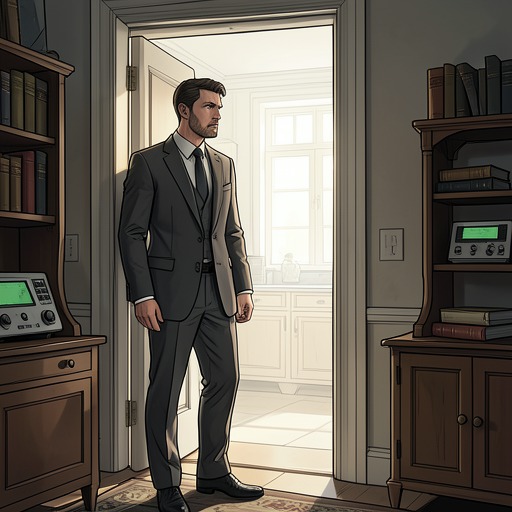
[Martin Eden](entity:character-recall-character-martin-eden-485aa35c14d3) intervenes when a gang of hoodlums attacks [Arthur Morse](entity:character-recall-character-arthur-morse-704e98956542) on a ferry. He fights them off, though the struggle leaves his hands abraded and his body marked by fresh scrapes. The act brings him, a working-class sailor, into contact with Arthur’s family and the world he has only glimpsed from outside.
Arthur invites Martin to the Morse home, where Martin is both grateful for the young man’s kindness and anxious about entering unfamiliar surroundings. The rescue begins the chain of encounters that will alter Martin’s ambitions and expose the gulf between his life and the Morses’.
the evening of his first visit
Martin Meets Ruth
At the Morse home, Martin becomes absorbed in a volume of Swinburne before Arthur introduces him to [Ruth Morse](entity:character-recall-character-ruth-morse-6ce523cb57a3). Her beauty, manner, and apparent refinement overwhelm him. He sees her not simply as a woman but as a figure from the elevated world he has imagined in books.
Ruth notices his rough clothes, scars, and awkwardness, while Martin struggles to speak in a way she will understand. Their first conversation makes both the differences between them and the attraction they feel unmistakable.
later that same evening
The First Dinner
At dinner, Martin is unsettled by the array of utensils and the social rules he does not know. He watches the family’s easy affection and conversation, and the warmth between Ruth and her mother moves him as much as their books and art.
After initially holding back, he tells a vivid sea story, drawing the family into his memories of ships and danger. Ruth glimpses a force and imagination beneath his halting speech, even as his rough language and bearing unsettle her.
the night after the first visit
The Name Ruth
Walking home, Martin relives the evening and interprets Ruth’s beauty as evidence of a spiritual purity he has never encountered. Her presence gives him a new ideal and makes him want to become worthy of her.
Back in his cramped room, he studies his own face and considers how little he knows of the world Ruth inhabits. He resolves to improve his appearance and conduct, and to seek the knowledge that might carry him toward her.
the morning after Martin meets Ruth
The Higginbotham Household
Martin returns to the home of his sister [Gertrude](entity:character-recall-character-gertrude-e35319e46081) and [Bernard Higginbotham](entity:character-recall-character-bernard-higginbotha-cd6b5fe41b55), where the atmosphere of chores, children, and petty complaints feels newly oppressive. He sees Bernard’s mean-spiritedness with fresh clarity and finds the household’s chromos and clutter painfully diminished beside the Morse home.
Bernard assumes Martin has been drinking, misreading his shining eyes and elation. Martin leaves without correcting him, increasingly aware that the people around him neither know nor value the life of imagination now opening before him.
the next morning
The Library Resolve
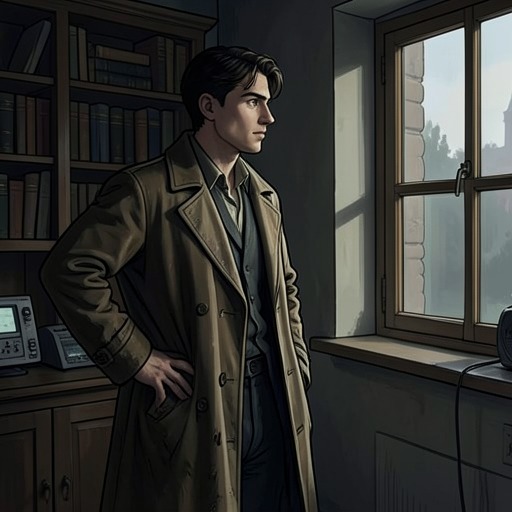
Martin goes to the [Oakland Free Library](entity:location-recall-location-oakland-free-library-a7c20258c30e), hoping to find books on etiquette and knowledge that will help him approach Ruth’s world. The shelves confront him with a vast store of learning, including subjects whose symbols and terminology he cannot yet understand.
He is first discouraged by the scale of what he does not know, then invigorated by the thought that other minds have mastered it. The library becomes both a practical resource and a landscape of intellectual adventure.
the days following Martin’s library visit
A First Course of Self-Reform
Martin begins reading widely, studying etiquette, and correcting habits he believes separate him from Ruth. He buys tools for grooming, washes his teeth, takes cold baths, and tries to keep his clothes neat despite limited means.
He also stops drinking, though he continues to smoke. These changes are not merely cosmetic: he understands them as part of a larger effort to remake himself and cross the social distance between him and Ruth.
about a week after the first meeting
The First Call
Still afraid of committing an etiquette blunder, Martin asks the librarian how soon he may call on a young woman who has invited him. The librarian urges him to telephone Ruth, giving him a way past the paralysis of uncertainty.
Ruth welcomes him to visit, and Martin returns carrying books and a growing determination to learn. Her kindness makes him more devoted, while the visit gives her an opportunity to guide him in language and study.
during Martin’s early visits
Ruth Corrects Martin’s Speech
Ruth begins pointing out Martin’s grammar and pronunciation, explaining such matters as double negatives and verb forms. Martin takes the corrections seriously, though he is embarrassed by how much of the language’s structure has been hidden from him.
His quick grasp of her explanations surprises Ruth, who had expected to teach him more slowly. Their lessons bring them physically close over books and establish a pattern in which Ruth tries to shape him while Martin tries to become capable of expressing what is already within him.
during the weeks after their first visit
The Limits of Schooling
Martin reads voraciously but repeatedly meets books whose arguments assume years of preparation. He moves erratically among poetry, philosophy, economics, and science, sometimes exhilarated by a discovery and sometimes lost in technical language.
He comes to understand that desire alone cannot supply the tools of thought. Poetry gives him immediate pleasure and helps form his ear, while the gaps in his education make him more determined to build a foundation for himself.
after Martin’s initial savings run low
The Treasure Expedition
Martin leaves [California](entity:location-recall-location-california-fd5bbc3f2eb4) aboard a treasure-hunting schooner bound for the [Solomon Islands](entity:location-recall-location-solomon-islands-680de1a44b56). The expedition spends eight months searching unsuccessfully, and the venture is eventually abandoned.
The voyage gives Martin time to study grammar and literature between duties. His growing command of language and his love for Ruth travel with him, but the experience of the sea also helps him see that he wants a future beyond ordinary seafaring.
during the return voyage from the Solomon Islands
The Decision to Write
On the voyage home, Martin recognizes that he wants to do more than recount his adventures to Ruth. The beauty and intensity of what he has experienced seem to demand a form of expression, and he decides to become a writer.
He imagines writing both as a vocation and as a path toward the life he associates with Ruth. He plans to sell an account of the expedition, earn enough to keep studying, and eventually produce work worthy of his ambitions.
soon after Martin’s return to Oakland
The First Manuscripts
Martin rents a room again from [Bernard Higginbotham](entity:character-recall-character-bernard-higginbotha-cd6b5fe41b55) and writes an article about the treasure hunters, followed by a long adventure serial for boys. He assumes that magazine rates and publication schedules will make writing a quick route to financial independence.
He sends out his work with little knowledge of manuscript conventions or the realities of the publishing business. His early confidence is bound up with a mistaken picture of how authors are paid and how editors respond.
the weeks after Martin’s first submissions
Rejections and the Typewriter
The manuscripts return one by one, often accompanied only by printed rejection slips. Martin initially blames his handwriting and rents a typewriter, then resubmits his stories, convinced that technical presentation may have been the obstacle.
His work still fails to find a market. He begins to imagine the publishing world as an impersonal machine in which manuscripts pass between envelopes without ever reaching a living editor, an image that foreshadows his later anger at the literary marketplace.
after Martin decides to try for high school
The Failed School Examinations
At Ruth’s urging, Martin takes the high-school entrance examinations. He passes grammar but fails in the other subjects, and Professor Hilton advises him to return to grammar school for two years.
Ruth treats the result as proof that Martin needs formal instruction. Martin believes he can learn faster on his own and resists the proposed route, not least because it would consume time and money he needs for writing and for seeing her.
during Martin’s early courtship
The Lecture with Ruth
Ruth asks Martin to accompany her to a lecture after her brother cannot go. On the walk, Martin carefully observes the etiquette of offering his arm and walking on the outside, anxious to act correctly without seeming to pretend to a life he has not lived.
They encounter [Lizzie Connolly](entity:character-recall-character-lizzie-connolly-d1a2c4a2efc9), a working-class girl Martin knows, and Ruth comments on her beauty and the effects of hard work on her appearance. Martin’s explanation reveals his growing understanding of how labor shapes bodies and manners, and how class conditions shape what people take for natural.
over the following months
Martin’s Literary Apprenticeship
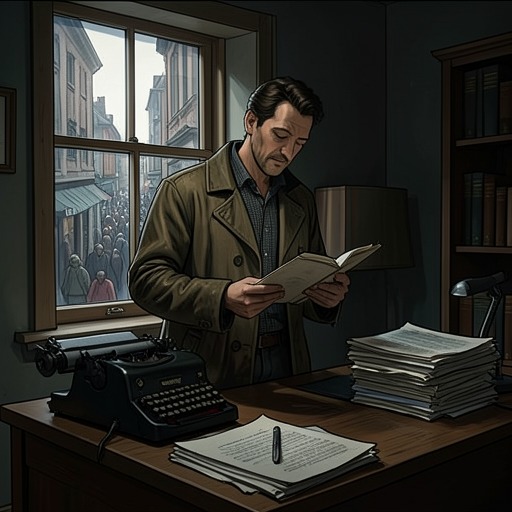
Martin devotes nearly every waking hour to writing, reading, and study, producing stories, articles, poems, and essays while cutting his sleep to a minimum. His creative work brings him intense pleasure, but editors continue to return it without explanation.
He seeks feedback from [Gertrude](entity:character-recall-character-gertrude-e35319e46081) and Ruth. Gertrude responds warmly but struggles to follow some stories, while Ruth identifies technical weaknesses and objects to material she considers indecorous. Martin wants her to feel the underlying truth and beauty of his work, not merely correct its surfaces.
during Martin’s period of intensive study
The Discovery of Herbert Spencer
After hearing Herbert Spencer discussed in [City Hall Park](entity:location-recall-location-city-hall-park-b31d09d27725), Martin takes up [First Principles](entity:object-recall-object-first-principles-f033f8e352e7) and discovers a comprehensive account of change and interconnection. He becomes absorbed in the idea that phenomena belong to an ordered process rather than a collection of unrelated accidents.
The discovery gives him a way to connect his knowledge of ships, bodies, literature, and society. It enlarges his confidence as a thinker, though his growing intellectual independence will increasingly set him at odds with Ruth and the conventional authorities she trusts.
after Martin’s study of Spencer begins
Choosing Study Over Latin
Martin decides to abandon Latin and several specialized subjects in favor of broad reading across fields. He argues that general thinkers must use the discoveries of specialists rather than attempt to master every discipline themselves.
Ruth sees Latin as training and a mark of education, while [Will Olney](entity:character-recall-character-will-olney-90a7f3f07c73) argues that Martin is pursuing a career rather than culture for its own sake. Martin is caught between Ruth’s ideals and his own urgent desire to write, earn a living, and understand life on his own terms.
during their months of study together
Ruth and Martin’s Growing Intimacy
Ruth reads poetry and plays music for Martin, while he shares his interpretations and stories of a life far beyond her sheltered experience. She believes she is helping to refine him, yet she is also drawn to the vitality and strength that she finds difficult to reconcile with her social ideals.
Martin’s love remains reverential and idealized. He longs for Ruth but fears that his desire will violate the purity he has assigned to her, so much of their courtship proceeds through conversation, shared reading, and unspoken feeling.
during their early literary visits
The Cherries on Ruth’s Lips
While Ruth reads aloud, Martin notices the stain of cherries on her lips. The ordinary mark of food suddenly makes her seem human and bodily rather than a remote spirit, and he understands that she may be capable of love as well as purity.
The revelation narrows the distance he has imagined between them, though he remains uncertain how to approach her. It lets him believe that his own humanity might be enough to make him a possible husband rather than merely an admirer.
during Martin’s visits to Ruth
The Story of Charles Butler
Ruth tells Martin how [Mr. Butler](entity:character-recall-character-mr-butler-ba3d990ea775) rose from poverty through thrift, discipline, and relentless work. She offers his life as proof that anyone can improve his condition through self-denial and persistence.
Martin respects the achievement but sees a wasted youth and a life narrowed by money-making. Their disagreement exposes a fundamental difference: Ruth admires respectable success, while Martin values beauty, experience, and the full use of life above wealth alone.
after Martin begins showing Ruth his work
The Story That Is Nasty
Martin reads Ruth several stories, including one about a woman whose circumstances offend her sense of propriety. Ruth calls the material nasty and urges him to choose a nicer subject, while Martin believes he is writing honestly about the world he has known.
Her reaction makes clear that their experiences of life differ more profoundly than their conversations suggest. Martin sees moral beauty in people struggling within degrading conditions; Ruth has been protected from much of that ugliness and mistakes his realism for a failure of taste.
after his early stories and poems are rejected
Martin’s First Proposal to Make a Living
Martin tells Ruth that he plans to support himself by writing, while continuing his education and working toward more ambitious literature. Ruth advises him to obtain formal training and worries that his lack of practical preparation will prevent him from earning a living.
Martin believes his capacity for writing is innate and that he can learn the craft through disciplined study. Ruth’s doubts hurt him, but he continues to see fame and financial success chiefly as means of becoming worthy of her.
during Martin’s period of returned manuscripts
The Cheese-Face Fight Recalled
Facing a growing heap of rejected work and no money for postage, Martin remembers the fights with [Cheese-Face](entity:character-recall-character-cheese-face-12ab415662e1) that began when they were boys. He recalls enduring repeated defeats rather than retreating, and later fighting his old rival again on [Eighth Street Bridge](entity:location-recall-location-eighth-street-bridge-4cecce6d579a) until he finally won.
The memory restores Martin’s determination: he has always stayed in the struggle, even when success seemed remote. He decides that the editors will not defeat him merely because they have rejected his work.
after Martin’s money and prospects run low
The Shelly Hot Springs Job
With no reliable income and his submissions still failing, Martin accepts a laundry job arranged by [Joe Dawson](entity:character-recall-character-joe-dawson-027fae439d4b) at [Shelly Hot Springs](entity:location-recall-location-shelly-hot-springs-e1e757d059bc). He expects hard work but hopes to preserve time for reading and writing.
The job quickly consumes nearly all his strength. Laundry work demands relentless physical attention, leaving his mind no room for books, ambition, or even thoughts of Ruth, and showing Martin how labor can strip a person of inner life.
during Martin’s first weeks at the laundry
The Weekend Collapse
Martin and [Joe](entity:character-recall-character-joe-9b197d8c56ff) work long hours through intense heat, repeatedly falling behind as extra laundry arrives. Joe drinks at the end of the week to escape the grind, and Martin initially refuses to join him.
As the weeks pass, Martin’s exhaustion erodes his resolve. He finally drinks with Joe and recognizes that the labor itself, not simply personal weakness, is driving them toward intoxication and despair.
after several months at Shelly Hot Springs
Two Laundrymen Quit
Martin and [Joe](entity:character-recall-character-joe-9b197d8c56ff) decide together to leave the laundry. Joe has come to see wandering as preferable to the life of a work-beast, and Martin understands that the job is destroying the intellectual and creative faculties he needs for his chosen life.
Joe chooses the road, while Martin plans to return to [California](entity:location-recall-location-california-fd5bbc3f2eb4) and try writing again. Their parting is affectionate, and Joe predicts they will meet again, but their different choices mark the contrast between escape from labor and Martin’s continuing struggle for artistic purpose.
after Martin returns from the laundry
The Engagement on the Hill
Back in [Oakland](entity:location-recall-location-oakland-479b7c0dace1), Martin recovers his strength and resumes seeing Ruth. During an autumn outing in the hills, the pair draw together and kiss; Ruth realizes in that moment that she loves him and that marriage has become imaginable.
They speak of their future and of the difficulties her family may raise. Martin believes love will overcome the class barrier, while Ruth is only beginning to understand both her desire and the social consequences of choosing him.
the night Ruth tells her mother
The Morse Family’s Opposition
Ruth tells [Mrs. Morse](entity:character-recall-character-mrs-morse-f4464d81ec0e) that she and Martin are engaged. Her parents fear his poverty, rough past, and uncertain prospects, and they doubt that he can provide the comfort and respectability they expect for their daughter.
They decide not to force an immediate separation, believing time and exposure to eligible men will weaken Ruth’s attachment. Martin does not know that the family regards the engagement as temporary, and he continues to assume that love is the decisive issue.
soon after Martin and Ruth become engaged
The Hack-Work Plan
Martin moves into a small room in [North Oakland](entity:location-recall-location-north-oakland-7281ead96abf) and explains that he will earn money by writing commercial material such as jokes, short pieces, and formula stories. He hopes this hack-work will support him while he reserves his best energy for serious writing.
Ruth would rather see him take a position in her father’s office and regards the commercial work as degrading. Martin insists that writing is not an idle dream but the work to which his nature is committed, and asks her to give him time to prove it.
during the following months
The Financial Collapse
Despite his exhausting work, Martin’s manuscripts continue to return, and his savings disappear into board, rent, postage, and supplies. He pawns possessions and lives on credit, often with too little food, while still producing ambitious work that he cannot get published.
The gap between his confidence in his writing and the market’s silence becomes increasingly painful. Ruth’s concern turns into disappointment, while Martin believes that abandoning his vocation would mean abandoning the very self she once found compelling.
near the lowest point of Martin’s finances
Five Dollars for Five Thousand Words
The [Transcontinental Monthly](entity:organization-recall-organization-transcontinental-d027a19cdf1c) accepts Martin’s story The Ring of Bells but offers only five dollars for five thousand words, payable when it appears. Martin had expected the much higher rates he had read about and had imagined the acceptance would rescue him from debt.
The news devastates him. He concludes that the promises of literary earnings were false, decides to stop writing, and becomes ill after months of overwork and hunger.
during Martin’s illness
The White Mouse Acceptance
While Martin is sick in his room, a letter from the [White Mouse](entity:organization-recall-organization-white-mouse-66bb8b80ce5c) offers forty dollars for the serial rights to The Whirlpool, provided the story is shortened. The offer reveals that a publication may pay well for work that a more prestigious magazine treated as nearly worthless.
The acceptance restores Martin’s decision to write. He sees that the literary marketplace is not governed by a single standard and hopes that other magazines may recognize the stories he still has to offer.
shortly after Martin receives the White Mouse offer
Ruth Visits the Silva Home
Ruth comes to see Martin while he is recovering, accompanied by Arthur. She is shocked by the cramped room, the smell of laundry, his unshaven face, and the visible conditions of poverty around him.
Martin is eager to tell her about the acceptance and his renewed hope, but she is more troubled by his living circumstances and his continued commitment to writing. Their meeting reveals that Ruth’s sympathy is sincere but cannot fully bridge the difference between the lives each understands.
after Martin resumes submitting work
The Formula for Storiettes
Martin studies the short pieces that sell in newspapers and devises a repeatable formula: lovers are separated, reunited through an event or deed, and brought to marriage. He can generate and complete these stories quickly, despite despising their mechanical conventions.
The formula brings him modest sales and temporarily keeps him afloat. It also sharpens the conflict between writing as a marketable trade and writing as an artistic vocation, a tension that will shape his relationship with Ruth and the editors.
during Martin’s continued struggle to sell work
The Discovery of the Editorial Swindle
Martin learns that publications may delay or withhold payment, print stories without paying, alter poems, or take advantage of inexperienced writers. The [Transcontinental Monthly](entity:organization-recall-organization-transcontinental-d027a19cdf1c) owes him money, and other outlets fail to honor promises or publish his work in the form he submitted.
These experiences confirm his suspicion that the literary world’s language of merit often conceals commercial self-interest. He continues writing because he believes in his work, but the practical cost of pursuing recognition grows heavier.
during Martin’s return to the Morses’ home
The Socialist Dinner Argument
Martin argues with [Mr. Morse](entity:character-recall-character-mr-morse-a4b46eaa7115) about socialism, democracy, and the power of corporations. He calls Mr. Morse an unconscious servant of capital and describes himself as an individualist rather than a socialist.
The debate exposes how far Martin’s intellectual development has carried him beyond the assumptions of the family that first seemed to represent culture. He sees their political opinions as inherited and unexamined, while they regard his arguments as radical and socially dangerous.
during Martin’s later period of poverty
The Lost Poem for Marian
Martin writes a light poem about his sister [Marian](entity:character-recall-character-marian-1f8d5a5584eb), but her fiancé [Hermann von Schmidt](entity:character-recall-character-hermann-von-schmidt-af334fa2ab67) calls it indecent and demands that it be destroyed. Marian confronts Martin, ashamed of the poem and convinced that her fiancé’s judgment should prevail.
Martin tears up a copy to spare her distress, though the original remains with a magazine. The episode shows how the moral codes of both working-class and bourgeois circles can constrain expression, while deepening Martin’s sense of isolation from his family.
after Martin’s writing begins to earn occasional payments
Martin’s First Visit to the Social Circle
Martin attends a gathering at the Morse home and meets professors, professionals, and other people considered accomplished. He speaks with [Professor Caldwell](entity:character-recall-character-professor-caldwell-937f3a1e2a9e) about literary criticism, biology, and the limits of academic thought, impressing the professor with an argument about the biological foundations of culture.
The encounter overturns Martin’s early assumption that social standing and education guarantee intellectual brilliance. Apart from Caldwell, many guests seem narrow or complacent to him, and he becomes more skeptical of the world he once hoped to enter.
later that same period
Brissenden Appears
[Martin meets Russ Brissenden](entity:action-recall-action-martin-meets-russ-bris-dcf38d8c2d14) after leaving a gathering at the Morse home. At first Martin finds him irritable and unimpressive, but their conversation over drinks reveals a brilliant, uncompromising mind and a knowledge that seems to leap beyond formal study.
[Brissenden](entity:character-recall-character-brissenden-bf0cc00103dc) recognizes the strength in Martin’s writing and argues that magazines have little use for it. Their friendship gives Martin the first sustained companionship with someone who understands both his intellectual hunger and his artistic ambitions.
during Martin and Brissenden’s early friendship
The Poem Brissenden Keeps
[Brissenden](entity:character-recall-character-brissenden-bf0cc00103dc) reads Martin’s poems and stories, praising the force of his writing while urging him not to prostitute beauty to magazine markets. He shares his own long poem, [Ephemera](entity:object-recall-object-ephemera-77f0d5f6a10a), and Martin is overwhelmed by its imaginative reach and formal power.
Brissenden refuses to submit the poem, fearing that editors and readers will distort or cheapen it. Martin disagrees, believing that beauty should reach the world, and the two friends remain divided over publication even as their respect for each other deepens.
during Martin’s friendship with Brissenden
A Night Among Working-Class Thinkers
[Brissenden](entity:character-recall-character-brissenden-bf0cc00103dc) takes Martin to meet a group of intellectuals living in a working-class district. There Martin hears sharp, animated arguments about philosophy, politics, literature, and science, and discovers a community whose participants are more alive to ideas than the respectable guests he has met at the Morses’.
Martin listens to a sustained debate among [Norton](entity:character-recall-character-norton-3f84d117fa76), [Kreis](entity:character-recall-character-kreis-e419b8482a47), and [Hamilton](entity:character-recall-character-hamilton-bf6dc5f99e5f) about idealism, materialism, and the limits of knowledge. The evening expands his intellectual world even though he remains committed to realism and Spencer’s influence.
on Thanksgiving near the height of Martin’s financial distress
The Five-Dollar Collection
Unable to afford a presentable suit or the fare to attend the Morses’ [Thanksgiving](entity:time-recall-time-thanksgiving-060be728c565) dinner, Martin goes to [San Francisco](entity:location-recall-location-san-francisco-8a14902ce523) to collect the five dollars owed for The Ring of Bells. The [Transcontinental Monthly](entity:organization-recall-organization-transcontinental-d027a19cdf1c) staff greet him warmly and praise his work, but repeatedly avoid paying him.
Martin finally threatens and shakes down the staff, recovering almost the full amount from their pockets and a ferry ticket. He then visits [The Hornet](entity:organization-recall-organization-the-hornet-cd06125966c8), where a physical struggle ends with the staff keeping the money owed him, leaving Martin both angry and grimly amused at the unequal forms of literary theft.
after Martin’s encounter with the editors
The Shame of the Sun
Martin writes [The Shame of the Sun](entity:object-recall-object-the-shame-of-the-sun-323ef4e46027), an extended attack on mystical explanations of life, shaped by his study of science and evolution. He sends it to publishers, hoping that its argument and style will reach readers beyond the magazines that have rejected his work.
At the same time, he continues to struggle financially and faces growing pressure from Ruth to choose a secure occupation. His essay represents his attempt to bring scientific thought and literary beauty together, even though he has no reason yet to expect it will succeed commercially.
after Martin reads Ruth his Love-cycle
Ruth’s Faith Falters
Martin reads Ruth the poems he has written for her. Ruth calls them beautiful but asks whether they can be sold, and urges him to become a reporter or take up another practical occupation so they can marry.
Martin hears in her advice a loss of faith in his vocation. He explains that reporting would damage the style he has labored to develop, while Ruth fears that his artistic ambitions will keep their marriage permanently out of reach.
during the year after the engagement
The Offer of a Position
[Mr. Morse](entity:character-recall-character-mr-morse-a4b46eaa7115) offers Martin work in his office at a salary that could allow him and Ruth to marry. Ruth presents the offer as a practical path toward a shared life, while Martin sees it as a demand that he abandon the work most central to his identity.
Martin asks whether Ruth believes in his writing. She admits that she does not think he was made to write, and he insists that his confidence comes from knowing his own abilities. Their disagreement exposes how love, class expectations, and economic security have become entangled.
during Martin’s financial crisis
The Railway Mail Appointment
Martin passes the [Railway Mail](entity:organization-recall-organization-railway-mail-afe13b3f7b96) examination and receives an opportunity for secure employment. The position could satisfy Ruth’s family and provide him with a steady income, but he declines it, convinced that his writing will soon succeed.
His decision deepens the conflict with Ruth and the Morses. Martin sees the appointment as a surrender of his vocation, while those around him interpret his refusal as evidence that he is irresponsible and unwilling to work.
during the worst months of Martin’s poverty
Maria’s Help
[Maria Silva](entity:character-recall-character-maria-silva-9bdc03535020) sees Martin’s hunger and declining condition more clearly than Ruth does. She sometimes sends him bread or soup despite having children of her own to feed, and Martin recognizes the generosity as a genuine act of solidarity among the poor.
In a moment of shared hardship, he promises [Maria](entity:character-recall-character-maria-de0c38967fe7) a house and a prosperous dairy, though he has no means to provide either. His promise expresses both his gratitude and his desire to use future success for someone who has helped him without asking for recognition.
after a visit with Brissenden
Martin’s Socialist Speech
At [Brissenden](entity:character-recall-character-brissenden-bf0cc00103dc)’s urging, Martin attends a socialist meeting and speaks against socialist doctrine from an individualist and social-Darwinist position. The audience listens closely and answers him with arguments that force him to confront ideas he has not fully considered.
A cub reporter misunderstands the debate and recasts Martin as a revolutionary socialist. The false report reaches the newspapers, transforming a complex argument into a sensational identity that will damage Martin’s standing with Ruth’s family and his neighbors.
the morning after the meeting
The Newspaper Scandal
Martin reads the newspaper account and discovers that it has falsely presented him as a dangerous socialist agitator. A reporter then visits to interview and photograph him, and Martin and [Brissenden](entity:character-recall-character-brissenden-bf0cc00103dc) punish the young man for fabricating the story.
The publicity does not correct the damage. The neighborhood turns against Martin, his creditors withdraw support, and his family members are quoted condemning him. The episode reveals how public opinion can turn a person into a caricature before he has any chance to explain himself.
shortly after the newspaper scandal
Ruth Ends the Engagement
Ruth writes to Martin that her parents have insisted that their engagement end. She says the public disgrace and his refusal to settle into a respectable position have convinced her that they are not suited to one another.
Martin answers by explaining that the newspaper report misrepresented his speech and asks her to answer one question: whether she still loves him. No answer arrives, and his creative work stops as he waits for a reply that does not come.
several weeks after her letter
Ruth’s Final Rejection
Martin encounters Ruth on the street with Norman and insists on hearing from her directly whether she has chosen to end their relationship. Ruth says that the decision is her own and that the scandal has made her ashamed to meet her friends.
When Martin says that gossip should not outweigh love, Ruth replies that she is not common. He lets her leave, devastated by the realization that her class’s judgment has prevailed over the love she once declared.
during the weeks after Ruth rejects Martin
The Death of Brissenden
Martin spends several days in a near-trance, finishing his novel [Overdue](entity:object-recall-object-overdue-d7c932042bee) and neglecting the rest of his life. When he visits [Brissenden](entity:character-recall-character-brissenden-bf0cc00103dc), he learns that his friend has died by suicide five days earlier.
The news reaches Martin with a strange emotional distance, as if the event belongs to another life. Brissenden’s death removes the one person who had understood his artistic nature, deepening the isolation that follows the collapse of his relationship with Ruth.
after Brissenden’s death
The Posthumous Ephemera
[The Parthenon](entity:organization-recall-organization-the-parthenon-8f7bc8b188a6) accepts and publishes [Ephemera](entity:object-recall-object-ephemera-77f0d5f6a10a), which [Brissenden](entity:character-recall-character-brissenden-bf0cc00103dc) had entrusted to Martin but never wanted circulated. The magazine presents it amid self-congratulation and publicity, while critics, newspapers, ministers, and comic writers argue over or mock the poem.
Martin is saddened rather than surprised by the spectacle. He recognizes in the public response the very vulgarity Brissenden feared and destroys the remaining poems his friend had left with him, believing Brissenden would never have forgiven their exposure.
after Martin finishes Overdue
The Abandoned Manuscripts
Martin stops writing and studying, sleeps long hours, and lives without a plan. He spends his days walking, eating cheaply when he can, and waiting for some impulse that might make life feel meaningful again.
Even the news of [Ephemera](entity:object-recall-object-ephemera-77f0d5f6a10a)’s controversy produces little feeling. Martin concludes that the literary marketplace and the public have treated his friend’s work exactly as [Brissenden](entity:character-recall-character-brissenden-bf0cc00103dc) predicted, and the old desire for recognition has almost disappeared.
months after Martin gives up writing
The Delayed Breakthrough
At last the market changes. [The Millennium](entity:organization-recall-organization-the-millennium-ae0ad44ed413) accepts Adventure for a substantial sum, followed by other magazines and publishers taking stories and essays they had previously rejected. [The Shame of the Sun](entity:object-recall-object-the-shame-of-the-sun-323ef4e46027) becomes a success, and Martin’s books rapidly attract attention and sales.
The breakthrough arrives after Martin has ceased to want it. He uses the money to settle debts, recover his possessions, and begin helping people who had assisted him, but fame and wealth do not restore the emotional intensity that sustained his earlier struggle.
after The Shame of the Sun becomes a success
Maria’s House and Dairy
Martin gives [Maria](entity:character-recall-character-maria-de0c38967fe7) enough money to buy the house where she has been renting and arranges for her to acquire a dairy. She becomes a landlord and business owner, with hired help so her children can attend school and wear shoes.
The gift fulfills Martin’s earlier promise and repays Maria’s kindness. It also shows that, even as he grows indifferent to his own success, he remains capable of generosity toward people whose hardship he has witnessed directly.
during the wave of book and magazine success
Martin’s Sudden Fame
Martin becomes a bestselling author, receives large advances, and is invited into circles that once treated him as an ignorant drifter. People who had rejected him now claim to have recognized his talent from the beginning, and those who had urged him to get a job seek his company.
The reversal torments him. The work has not changed; only its public reception has. Martin begins to see fame and money as fictitious values created in other people’s minds, unrelated to the person he knows himself to be.
during Martin’s months of public acclaim
The Work Performed
Martin repeatedly encounters people who remember praising his early work only after he has become famous. He compares their present admiration with the hunger and rejection he endured when those same pieces first appeared.
The contrast becomes an obsession: the work was already complete when he was ignored, so the recognition cannot be a reward for the work itself. He concludes that society honors status, money, and the movement of the crowd more readily than individual achievement.
after Martin becomes famous
The Return to Shell Mound Park
Lonely and restless, Martin attends a working-class picnic at [Shell Mound Park](entity:location-recall-location-shell-mound-park-22c75c01b468) and is welcomed by old companions. They are glad to see him for himself, not for his books or his public reputation, and for a time their warmth makes him feel at home.
He also meets [Lizzie Connolly](entity:character-recall-character-lizzie-connolly-d1a2c4a2efc9), who has remained devoted to him and has kept herself from other serious attachments. Her affection is direct and genuine, but Martin has become too changed and too tired to return to the life he once shared with her.
later that day at Shell Mound Park
Lizzie’s Unanswered Offer
A young man who has been keeping company with Lizzie attacks Martin, and Martin easily defeats him. Lizzie watches with admiration, then tells Martin that she has kept straight and would go with him if he asked.
Martin refuses to marry her or to accept her love without marriage. He offers money to improve her prospects, but understands that this cannot match the personal devotion she has offered. At their parting, he kisses her with genuine tenderness, yet leaves knowing he cannot give her the life she wants.
during Martin’s final period in North Oakland
Maria’s Laundry Lesson
When [Maria](entity:character-recall-character-maria-de0c38967fe7) falls ill and cannot finish a large ironing job, Martin takes over the work. He uses his experience from [Shelly Hot Springs](entity:location-recall-location-shelly-hot-springs-e1e757d059bc) to iron quickly and to build a simple device that helps with washing woolens.
The practical help matters to Maria and her children, but it also changes how she sees him. The romantic mystery she had attached to her lodger fades when she recognizes him as a workingman much like herself.
after Martin’s books begin earning substantial money
The Gift to Gertrude
Martin gives [Gertrude](entity:character-recall-character-gertrude-e35319e46081) a large sum of money, recalling the five-dollar coin she once gave him when he was hungry and unable to afford a ride. He asks her to use it to free herself from exhausting domestic work.
Gertrude first fears the money may have been obtained dishonestly, then accepts the explanation and the gift. Their reconciliation allows Martin to repay a sister who had offered him practical care even when she did not believe his literary ambitions would succeed.
during Martin’s period of new wealth
The Expansion of Bernard’s Store
Martin gives [Bernard Higginbotham](entity:character-recall-character-bernard-higginbotha-cd6b5fe41b55) a check to finance an expansion of his store, but makes the money conditional on Bernard using the monthly payment to free [Gertrude](entity:character-recall-character-gertrude-e35319e46081) from housework. Bernard initially recoils at the prospect of his wife no longer laboring, then accepts the deal.
Martin’s gift helps Gertrude while also exposing the strained nature of his relationship with Bernard. Bernard welcomes the money and Martin’s success, but Martin sees that his new social value has altered the treatment he receives without changing who he is.
near the end of Martin’s public success
Ruth Returns
Ruth visits Martin at the [Hotel Metropole](entity:location-recall-location-hotel-metropole-a00f86a08f9f) and tells him that she has regretted their separation. She comes because she wants him and believes her feelings have grown strong enough to defy her family’s conventions.
Martin holds her without the passion he once felt and asks why she did not choose him when he was poor and unpublished. He argues that her renewed love coincides with his fame and money, leaving him unable to trust that she now loves the same man she once rejected.
during Ruth’s visit to the Hotel Metropole
The Lost Ideal
Ruth tries to persuade Martin that she has changed and is willing to defy her family. He forgives her for having acted according to her understanding, but tells her that her earlier efforts to reshape him would have destroyed the independence and realism that define him.
Martin realizes that the Ruth he loved was partly an ideal creature of his own making, not the woman whose class assumptions and anxieties he now sees clearly. He tells her that it is too late: his emotional life has gone numb, and even her willingness to sacrifice convention cannot revive his desire.
immediately after Ruth leaves
Joe’s Return
As Martin leaves the hotel, a tramp asks him for money, and Martin recognizes [Joe Dawson](entity:character-recall-character-joe-dawson-027fae439d4b). [Joe](entity:character-recall-character-joe-9b197d8c56ff) has prospered on the road, gained weight, and found that wandering suits him better than the exhausting laundry work that once drove him to drink.
Martin is glad to see his old friend but soon feels burdened by conversation and by Joe’s vitality. Their reunion shows that Joe has found a way of living that works for him, while Martin has become estranged from both the working people he once knew and the social world that now welcomes him.
the day after Joe’s return
Joe’s Laundry
Martin arranges for [Joe](entity:character-recall-character-joe-9b197d8c56ff) to buy a small laundry, offering the money and introducing him to the seller. Joe initially resents the offer because he came seeking his friend, not another job, but Martin insists that they talk after the business is settled.
Joe accepts the opportunity and plans to run the laundry according to fair rules that avoid overwork and the employment of children. Martin’s investment gives Joe security, though Martin himself has little appetite for the ordinary life that money could provide.
five days before the Mariposa sails
The Passage to Tahiti
Martin arranges passage to [Tahiti](entity:location-recall-location-tahiti-2e309d2449d9) aboard the [Mariposa](entity:object-recall-object-mariposa-846a43fd52fb), hoping that distance from [California](entity:location-recall-location-california-fd5bbc3f2eb4) will carry him away from the life that has become intolerable. He has money, a reputation, and possible plans for a future in the [South Seas](entity:location-recall-location-south-seas-87e78c8b6cf4), but none of them awakens much feeling.
He tells [Joe](entity:character-recall-character-joe-9b197d8c56ff) that the laundry is his to sell if he ever wants to leave, and watches Lizzie hidden among the crowd as the ship prepares to depart. He cannot bring himself to take her with him, and escapes to his cabin before the ship clears the dock.
during the first days aboard the Mariposa
The First-Class Passage
Martin travels in the first cabin for the first time, occupying a place of honor and receiving the attention that once seemed to him the height of comfort. Yet the passengers’ talk and exuberant activity irritate him, and he finds no more kinship with them than with the sailors below.
He sleeps repeatedly and seeks refuge in his deck chair, discovering that neither the working-class world he left nor the prosperous world he has entered can give him a sense of belonging. The social ascent he once pursued has ended in isolation rather than arrival.
during the Mariposa’s passage through the tropics
The Valley of the Shadow
Martin recognizes that his condition is not physical illness but a profound loss of desire. His body remains strong, yet waking life feels like a painful glare, and the [South Seas](entity:location-recall-location-south-seas-87e78c8b6cf4) no longer promise the escape they once represented.
As the ship enters the doldrums, he becomes unable to sleep and can find no interest in reading, the passengers, or the sea. He understands that he is in danger precisely because he no longer fears death or feels drawn toward life.
near the end of the voyage
Swinburne’s Sea
Unable to sleep, Martin opens a volume of Swinburne and encounters a stanza that presents death as release from the burdens of living. The words give shape to the conclusion toward which his exhaustion has been moving.
He looks through the open porthole at the water and decides to end his life. For the first time in weeks, he feels a brief calm, believing that death will provide the rest that waking life has denied him.
that night at sea
Martin’s Last Struggle
Martin slips through the porthole and drops into the sea, but the instinct to live repeatedly drives him back to the surface. He tries again, forcing himself deeper and resisting the involuntary movements that urge him toward air.
As his strength and consciousness fail, he sees light and color within his mind and imagines himself falling into darkness. He ceases to know anything, and the novel ends with his death in the ocean.